Regulatory Compliance: Ensuring that pharmaceutical products meet all regulatory requirements and guidelines, including safety, efficacy, labelling, and post-marketing surveillance

From the examination of raw materials through the release of the finished packaged product, Quality Control Authorities like Central Drugs Standard Control Organisation in India established under the Drugs & Cosmetics Act, 1940. Central Drugs Standard Control Organisation (earlier known as Drugs Controller General of India) are essential to the pharmaceutical production process. They play a crucial role in assuring the efficacy and safety of products given to patients. The CDSCO headquarters conduct regulatory supervision over drug importation, approval of new pharmaceuticals and clinical trials, meetings of the Drugs Consultative Committee (DCC) and Drugs Technical Advisory Board (DTAB), and approval of some licences as the Central Licence Approving Authority. Laboratory Information Management Systems (LIMS), tailored to the needs of pharmaceutical manufacturing and quality assurance/quality control (QA/QC) laboratories, are proving to be a powerful force in enabling the industry to meet these challenges. Capable of integrating multiple functions and processes, these systems reduce reliance on off-line methods and manual transcription for managing, tracking and applying the large volume of data generated as part of manufacturing processes. As a result, laboratories can more easily identify cost reduction strategies, while meeting regulatory standards and ensuring the security of their data. Central Drugs Standard Control Organisation (QCA) provides one of the most crucial roles in pharmaceutical manufacture and supervision, according to the FDA. The quality control Authority and product testing are covered in great detail by the CGMP requirements. In order to manufacture pharmaceuticals products, the Central Drugs Standard Control Organisation is essential. The tests it does verify the quality of the products, and the reports it produces serve as the written proof. Tests conducted at different phases like Phase I, Phase II and Phase III of the production process create enormous volumes of data, which should show if quality has been maintained. Since any inaccuracies might lead to the production of goods that might be ineffective or endanger human safety, it is understandable that regulatory oversight of QC Authority data is rigorous. A company’s systems transparency may also be shown by such data.

Pharmaceutical product positioning

The process of giving a pharmaceutical product a unique identity on the market is called pharmaceutical product positioning. It entails recognising the special qualities and advantages of your product and conveying them to the intended market in a way that sets it apart from rival goods. Your pharmaceutical firm can gain a competitive edge, boost sales, and develop brand loyalty by using effective product positioning. Consider the following SIX actions when positioning your pharmaceutical product: A thorough awareness of the target market and the competitive environment is necessary for effective pharmaceutical product positioning. Pharmaceutical firms can distinguish their goods and increase market potential by creating a clear and attractive positioning plan.

How pharma knowledge and marketing influences prescriptions written by doctors

Knowledge marketing is a crucial method for influencing doctors’ prescription practises in the pharmaceutical business. Pharma marketers employ various knowledge marketing strategies and initiatives with the goal of influencing HCPs’ prescribing behaviour. These consist of: Pharmaceutical marketers typically don’t spend enough on patient education. However, HCPs increasingly favour pharmaceutical firms that place a greater emphasis on patient interaction and education. In various ways, patient education may be extremely influential in how doctors prescribe: By enhancing patient empowerment, lowering healthcare costs, and boosting adherence, patient education can significantly affect how doctors prescribe. Doctors may be more inclined to recommend medications and therapies that may effectively improve patient outcomes if patients are given educational information and tools.

Must know facts about Video marketing in Healthcare

Different types of video media are used in video marketing to advertise and market the goods and services offered by healthcare companies. An astounding 86% of healthcare companies use video marketing as a marketing strategy. Video has been shown to Although video marketing has been shown to be beneficial for all business kinds, it is especially well suited to the promotion of healthcare products since it can make complex information accessible to a large audience. Video production can be challenging; outsourcing it to a medical communications agency will simplify the process, allay any worries, and guarantee that your film is appealing, marketable, and matches your business’s goals.

Factors that distinguish the pharmaceutical from the FMCG industry?

The pharmaceutical sector is known for having a robust R&D and a sizable sales staff. However, over time, pharmaceutical businesses have encountered a number of difficulties, including high R&D costs, product patent expirations that coincide with price erosion, and the consolidation of pharmaceutical firms. Figure 1: The following illustrates a schematic view of the distinctions between the FMCG and pharmaceutical industries. There are stringent rules for the pharmaceutical industry. Because of this, the introduction of new products to the market moves slowly. Patent protection for pharmaceutical items is not very long. Contrary to FMCG products, pharmaceutical brands cannot be transferred after a patent expires. Brands of non-prescription pharmaceuticals, like Fast-Moving Consumer Goods (FMCG) items, can last for a very long time while those of prescription drugs only last for about ten years (Figure 1). Given modern science and technology, established trademarks become less significant when a new chemical is discovered that is more effective for a particular treatment. These “super brands” can endure the expiration of their patents and develop “a link with the consumer at a level exceeding basic functional performance.” On the other hand, FMCG businesses incorporate brand creation early in the process of developing a product. The distinction is that pharmaceutical businesses prioritise product development over brand building. The latter have not been as effective in harnessing brand power. Nevertheless, certain OTC medications have substantial advertising efforts in some markets, such as the United States. Because of this, branding in the pharmaceutical sector is ten years behind that of the FMCG sector. Advertising is a crucial component of brand growth, which takes time. In other markets, new threads within this paradigm, such as direct to consumer advertising (DTCA) have evolved . In a lot of nations, it is illegal to advertise prescription medications. The only two nations that permit DTCA for prescription pharmaceuticals when the consumer has little to no drug selection options are the United States and New Zealand. Additionally, advertisements that feature both the product and an associated indication are prohibited in Canada. Prescription medicine marketing initiatives are based on functional qualities of products, such as clinical and product-related features, in nations such as India where DTCA is not permitted. Promotion includes a variety of marketing initiatives that are primarily targeted at healthcare professionals, including personal sales, drug detailing, journal and software advertising, sponsorship of educational events, educational materials, promotional goods, public relations initiatives, and disease awareness campaigns (DACs). On the other hand, because OTC or non-prescription medications are available directly to consumers, there are no regulatory constraints on their use. Advertising of OTC goods to the general public is permitted. In many ways, OTC branding is similar to FMCG branding in that it aims to gain market share by achieving brand recognition, preference, and loyalty. Brands play a huge impact in OTC drug purchases since end users play a large role in this decision. Marketing strategies used in promotion include DTCA (including TV, radio, print commercials, etc.), details, sponsorship, events, direct mail, promotional items, public relations efforts, social media, and viral marketing. Promotion is aimed at both consumers/patients and healthcare professionals. The audience’s demands should be the first priority for OTC marketers because brand association and brand image are derived from consumer needs. There are three fundamental brand name strategies used by the FMCG industry. The terms “descriptive brand,” “new brand,” and “company brand” are used here. Pharmaceutical brand name tactics, on the other hand, use various emphasis points. These include the official name of the company (Novarapid-Novo Nordisk), the therapy (Procardia), the indication (Glucophage), the class (Mevacor/Zocor), the scientific name of the active ingredient (Indocin for Indomethacin), and a new brand name (Zantac, Prozac). Except for the well-known corporate and new brands, generic drugs can easily undermine a pharmaceutical brand’s positioning, image, or name recognition. Brand management must be careful since there are times when corporate and product brand names may be closely related and may have an impact on one another. For instance, Vioxx, a nonsteroidal anti-inflammatory medicine, was pulled from the market, which had a detrimental impact on the corporate brand of Merck.

TOP 10 CHALLENGES IN PHARMACEUTICAL PRODUCT LIFE CYCLE MANAGEMENT

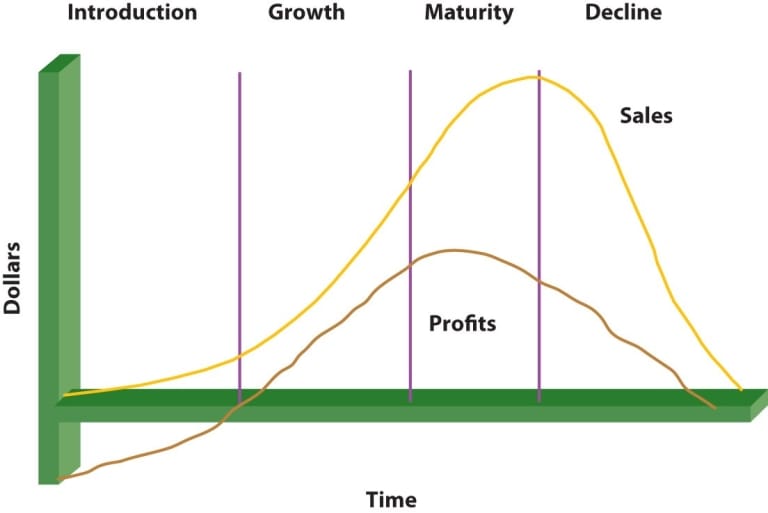
All products and services have certain life cycles. The term “life cycle” describes the time span between a product’s first release onto the market and its eventual withdrawal. Significant adjustments are made to the product’s market behavior during this time, which is reflected in the sales to the firm that brought it to the market. Understanding a product’s life cycle can assist a company in determining its position in the market relative to rivals and the success or failure of the product. But certainly, there are some challenges in the process. The following are the main obstacles to pharmaceutical product lifecycle management that I have attempted to highlight in this article: The fact is that many pharmaceutical organizations experience information silos across many functional areas, which causes various challenges when managing the whole product lifecycle from product inception to phase out. Depending on the functional area, divergent, redundant, and erroneous product information is frequently a result of a range of diverse data sources and a lack of collaboration within the business. Opportunities exist for innovative pharmaceutical companies looking to restructure their businesses and achieve profitability and growth in an environment that is becoming more and more competitive. Companies will experience enhanced company performance and differentiation in the market and technology if they properly manage the transformation process to meet these concerns. Since the manufacturing process for pharmaceutical products is extremely iterative, control must be developed for each lot from scale-up to validation and quality assurance, and finally to the marketing of the final, approved product. Drug production must be scaled up effectively, which necessitates cooperation across a variety of interconnected activities and dependencies. When flaws are discovered during regulatory audits, quality and risk management continue to be difficult tasks with substantial commercial ramifications. From product development to commercialization, quality must be integrated and managed as part of an efficient enterprise quality management system. Pharmaceutical packaging is strictly regulated and has to pay attention to ingredients, product quality, and adverse event labeling. Pharmaceutical firms must deal with various regulatory, linguistic, and counterfeit control needs as a result of global distribution. The commercial success of medicine depends heavily on cost management and keeping maximum flexibility in today’s fiercely competitive climate. The regulatory integrity of all related commercial content will be improved by creating a global archive for all package elements, digital assets such as logos and artwork, and marketing materials that reference development evidence. This complicates the management of drug compound registration and is continually changing. This causes market launch delays and adversely affects the projected sales of the product. Clinical study and regulatory approval phases generally take up a major portion of a new drug’s patent protection period. Pharmaceutical companies must provide a portfolio of new pharmaceuticals and drug extensions to the market more swiftly in order to maintain their competitiveness and benefit from the patent protection period. To increase productivity, concentrate on their core competencies, and take advantage of the pooled expertise, pharmaceutical businesses increasingly rely on contract service providers. Collaborative talents enable the quick identification of problems with products and processes as well as the implementation of necessary modifications. By exchanging data with their product development department, businesses can remotely examine and approve outsourced components of products and projects. Many pharmaceutical firms find it necessary to put additional quality control systems in place since they were responsible for producing a high-quality products. Companies need an infrastructure to identify current or potential quality issues in order to comply with CAPA regulations. By removing the need for manual documentation, enhancing the efficiency of root cause analysis, and streamlining time-consuming feedback procedures, having CAPA procedures online and tightly integrated with core product information cuts costs.

7 SECRETS OF TOP PHARMA BRANDING AWARENESS

Brand awareness, used in marketing, refers to how well customers can name a product. Customers’ awareness of the brand should ideally include favorable opinions about the characteristics that set the product apart from its rivals. Promotion of a new product or reinvigoration of an established brand both needs building brand awareness. These are some points you can use to build brand awareness: It’s fine if your current branding efforts are aimed at a broad audience. However, you should segment your efforts so that you can target specific sections. This means you’ll continue to reach out to your entire audience base but in more targeted ways. Marketing segmentation is the process of breaking down your current consumer base into smaller subgroups. However, rather than demographics, you will segment them based on brand interactions and behaviors (such as age, gender, and location). Tracking tools like Google Analytics might assist you in doing this. You will be able to target each audience segment more specifically by being able to see how various audiences interact with your website and marketing initiatives. An important factor in generating organic traffic is search engines. In other words, a strong showing on search engine results pages (SERPs) can aid in bringing more relevant visitors to your website and raising brand recognition. In order to improve your SERP rankings, Search Engine Optimization (SEO) is necessary for this situation. It can be utilized on websites, social media accounts, and more. There are two forms of SEO that you should start thinking about. Which are: Even though SEO can be challenging to understand, especially if this is your first attempt at using it, the outcomes should be favorable for your company as a whole. One of the best channels for interacting with customers is social media, yet many businesses fail to take advantage of it. Social media marketing is essential for increasing brand recognition. You can enhance the experience of your present customers and enhance communication with potential consumers by prioritizing social customer interaction. Thankfully, there are several quick ways to do this: Combining these steps should increase customer interaction and your social media presence. Despite doing your best to convert website visitors, not all leads will go to the next stage. Remarketing campaigns enter the picture in this situation. In order to influence previously targeted audience members to convert, remarketing campaigns essentially connect with them. For instance, you could run ads on blogs and websites that you know your target demographic frequents. In an effort to get people to come back, these adverts can be made to appeal to individuals who didn’t convert on their first visit. You can then try to recoup all those previously unconverted audience members once you’ve created a solid remarketing campaign. Your conversion rates could go up as a result. One of the finest areas to explore when it comes to reaching out to your own audience is social media influencers or those with well-liked social media profiles and a specific demographic. After all, the “right” influencers frequently have a sizable amount of your desired audience’s attention. Find the most well-liked and frequently cited individuals and websites in your niche to start your search for these influencers. Then, try to make contact with them to start a dialogue. You’ll probably be able to find methods to assist each other if you place more emphasis on building relationships than just requesting favors. Impressive content creation for your personal blog is one thing. However, producing top-notch guest content will help you establish your brand and gain recognition when it comes to marketing. This entails giving detailed guidance throughout the article and responding to queries in the post’s comment section. Your brand will become known for its knowledge and desire to contribute to the community by guest posting on websites all across the internet. While influencers might assist you in connecting with your current target market, a brand relationship can introduce you to a completely different audience group. This way, you can even introduce your business to an untapped market. In a nutshell, a partnership is when two brands in related marketing sectors and product/service categories cooperate to boost sales and raise brand awareness for both parties. To further increase your reach, it is best to forge these relationships with firms that cater to a slightly different demographic. The fact that both parties benefit from these alliances is the best part. Therefore, once your brand is well-established, it may be rather simple to start up.

FIVE IDEAS FOR UTILIZING MEDICAL WHITE PAPER

1. Select Relevant White Paper Topics White papers are supposed to educate your target audience, therefore you must first decide if you are writing for your patients or colleagues. White papers have historically listed the advantages and attributes of a specific good or service. These days, they inform, educate, and naturally persuade readers curious about the subject. Your readers have particular interests and are looking for answers. These questions must be addressed in your white paper. Consider writing about topics such as: 2. Find and Apply Reliable Healthcare Industry Data Your white papers must include quality, proven evidence of your statement, claim, or findings, whether you conduct the research yourself or collaborate with a partner to collect relevant data. As a well-established hospital or medical practise, you must demonstrate to patients and distinguished colleagues that you are a reliable source of valuable healthcare industry information. Always cite your sources when using outside statistics or research. 3. Make use of high-quality, appealing images. Readers are unlikely to read every word of your white paper. In fact, according to one study, users only read half of the information on pages with 111 words or less. To combat this issue, turn data into infographics and use captivating imagery throughout your white paper to capture and keep readers’ attention. 4. Make Your White Paper Easy to Discover White papers are an excellent tool for marketing your hospital or medical practice. Make it easy for potential readers to find and access them. Set aside a section of your website for white papers and promote them through channels such as social media or email newsletters. 5. Don’t Turn Your White Paper into a Sales Pitch White papers can be used for marketing purposes but should not be used to sell your practice. Instead, use them to build rapport with your audience. The educational information you provide should be sufficient to persuade others to work with your practice and establish a long-term patient-doctor relationship. When you write your white paper as a sales pitch, you may send the wrong message to your readers.

TOP 5 DESIGN ADVICE FOR PHARMA COMPANIES IN 2023

Recent years have seen a significant trend toward social media marketing and online interactive PDF brochures, however everything is still set up to be printed if necessary. Since conferences are once again a thing, there is a ton of advertising for businesses surrounding them in the form of stands and pop-ups. KEY POINTS FOR PHARMA COMPANIES IN DIGITAL AD DESIGN When creating digital designs, keep in mind that some of the advertising space is considerably smaller than you likely need to convey your message. In skyscraper advertisements, stick to the essentials and avoid using long words; otherwise, the font size will have to be reduced. Before placing an order, check the size of the advertising online to get a sense of the available area for your message. Calls to action should be succinct in order to be effective. To ensure that GIFs don’t exceed the file size limit, try to reduce transitions to a minimum. KEY POINTS FOR PHARMA COMPANIES IN PRINT AD DESIGN Look over the advertising of your rivals in the magazine to determine what draws your attention—is it the attention to detail or the powerful design? Advertising requirements vary depending on the market. If you can strive to reduce information to the fundamentals, there will be more area for design since designers will always try to put less text in so they can make things appear nicer. Advertorial space is something to think about if you have a lot of information. KEY POINTS FOR PHARMA COMPANIES IN BROCHURE DESIGN Take advantage of the blank space that a brochure can offer you, especially if it is in an online or pdf format and you are not restricted by the number of pages. In pharma brochures, employing a lot of imagery can help break up the dense scientific language, graphs, and charts. You can also use pull-out quotes or iconography to emphasize key themes to increase the impact of a page. Make sure all of your scientific information is properly labelled and that your headers and subheadings are apparent. OUTSTAND FROM THE CROWD: WHAT TO DO Go crazy! Do look at what your rivals are doing and take the opposite action! Consider pulling out important elements of your brand to make it more prominent by using dramatic colors. If there is a color associated with your brand, use it. People, in my experience, love other people, therefore market to them rather than the company itself. 1. Less can be more 2. Make the most of your brand 3. Imagery is everything, thus it’s worthwhile to hire a skilled creative photographer to visit your company and take some imaginative photos that can be used in advertising. 4. Be unique without being afraid. 5. Remember your (human) customer.

5 DIGITAL MARKETING TIPS FOR THE PHARMA INDUSTRY

1. COLLECT INFORMATION FROM MULTIPLE SOURCES Knowing your target market should be the first step in any marketing strategy. This is now achievable with unmatched accuracy thanks to technological advancements. To enhance digital marketing, pharmaceutical businesses should also make advantage of user data. People use search engines to look for conditions and products, adding keywords that you may look up and analyse. Users of social media discuss their preferences, demographic information, and interests. Remember to use geolocation to find out where your target audience is located. Another excellent source of information regarding the health of clients is the Internet of Things. Smart watches, cell phones, and other wearables are networked so that they may communicate with one another over Wi-Fi. 2. PERSONALIZE MESSAGING TO PROVIDE TAILORED CONTENT Knowing people’s needs and pain points makes it easier to provide the most appropriate solution. Personalization is an effective solution in highly competitive fields. According to research, 71% of customers dislike having an impersonal shopping experience Precision medicine, also known as personalized medicine, is an example. This approach is based on respecting people’s differences and providing them with appropriate treatment. Maintain one-on-one contact with clients. Another way to improve your pharmaceutical digital marketing is to treat people as individuals. 3. ENGAGE IN AUGMENTED AND VIRTUAL REALITY Augmented reality (AR) and virtual reality (VR) provide an immersive experience by removing the constraints of the real world. That’s why you might have heard of Extended Reality (XR), a term for AR and VR. They can be used in pharmaceutical product sales, marketing, and advertising. VR and AR can help you communicate effectively with healthcare practitioners in order to visualize the benefits of your products. Clients can interact with 3D, animated, and interactive presentations. Because of the greater understanding of how products work, these solutions may also persuade patients to purchase goods. 4. INTRODUCE CHAT-BOTS TO BE AVAILABLE 24/7 These are virtual assistants who respond to inquiries from potential clients and offer advantages to businesses like: AI powers today’s Chatbot. Machine learning (ML) is also used to develop automatically over time. It means humans can focus on more complex tasks without having to intervene to update them. 5. USE BLOCKCHAIN TO PROTECT DATA Block chain is a game-changing technology associated with Bit coin and other cryptocurrencies. However, it offers more opportunities than just transactions. It’s a series of linked blocks that log data. When the number of operations increases, the block sequence continues. Block chain has the potential to facilitate the sharing of authenticated information across organisations, giving manufacturers, pharmacies, and patient’s visibility into the supply chain, cutting down on paperwork during contract creation, sharing only the information required to carry out operations while concealing internal systems or confidential details.