5 Secrets to Creating High-Impact Marketing Materials That Boost Pharma Brand Recall

Creating marketing materials that truly connect with healthcare professionals (HCPs) and decision-makers in the congested pharmaceutical market can be difficult. Generic and boring content is often the cause of low brand recall. Here are 5 ways to address these issues and create materials with a strong effect that endure: Your pharmaceutical marketing materials can stand out by emphasizing emotional connections, personalization, striking images, clarity, and consistency across channels. With your healthcare audience, these tactics will improve brand memory and foster enduring trust.

Cutting Through the Noise: Best Practices for Pharma Marketers in a Saturated Market

Marketers in the fiercely competitive pharmaceutical sector of today face a particular difficulty: cutting through the harsh din of a crowded market. Pharma marketers must use innovative, strategic, and data-driven approaches to differentiate their brand from the many others competing for consumers’ attention. These are 5 top strategies for making a name for yourself in the congested pharmaceutical market.

Gifts World Expo, at Bharat Mandapam (Pragati Maidan), New Delhi, India – 25 to 27 July 2024

Gifts World Expo is the largest gifting and promotional solutions exhibition in India. It offers a profitable platform to start-ups and established players in the B2B gifting and promotion sector, as well as to those looking to expand their businesses, find sustainable solutions, generate targeted leads, and accelerate and enhance their value chain. A lucrative component of brand development and employee involvement is corporate promotion, and Gifts World Expo offers a wide array of goods, concepts, and services in several B2B giving markets. The expo features uncommon and inventive goods in addition to well-known brands and their generic solutions. The entire duration of the exhibition maintains a lively atmosphere. eMediWrites’ team visited and enjoyed their trip and learnt a lot too!

10-points gap analysis post launch of pharmaceutical brands

An essential first step in assessing a project, service, or product’s performance and efficacy after it has been put into practice or introduced to the market is to conduct a post-launch gap analysis. It entails contrasting the actual accomplishments with the planned objectives or anticipations. This is a detailed how-to for performing a post-launch gap analysis: Define goalsand aims To start, go over the original aims and goals that were decided upon before to the launch.These could be any other key performance indicators (KPIs) pertinent to the project, such as user engagement objectives, customer acquisition measures, or sales targets. Gatherinformation Compile all pertinent information about how the project, service, or product has performed since its launch.Sales data, client reviews, user surveys, website analytics, social media metrics, and so on may be included in this. Findinconsistencies Evaluate the performance statistics in real time against the preset goals and objectives.Find any holes or inconsistencies between the actual results and the expectations.These discrepancies might relate to market penetration, customer satisfaction scores, sales figures, etc. Root causeanalysis Look into the fundamental causes of the gaps that have been found.Analyzing market trends, rivalry, consumer behavior, product/service attributes, pricing schemes, advertising efforts, etc. may be part of this.Determine the possible external and internal influences that led to the results that were seen. Prioritizeimprovementneeds Sort the areas that require correction or improvement in order of importance using the gap analysis results.Concentrate on filling in the biggest holes that will affect the project’s success as a whole. Create actionplans Create initiatives and methods that can be put into practice to close the gaps found and boost output.These could include improving customer support services, boosting product features, modifying pricing methods, and revising marketing plans. Allocateresources To ensure that the action plans are carried out successfully, allocate the funds, labor, and time that are required.Make sure the resources are distributed to have the greatest possible impact on bridging the gaps that have been identified. Executechanges Follow the specified timescales for carrying out the action plans.To make sure that the planned improvements are being realized, keep a careful eye on the development and make any necessary adjustments along the way. Monitor andevaluate After implementation, keep a close eye on the performance metrics to gauge how well the modifications are working.Determine whether the difference between the intended and actual results is getting less over time. Iterate andimprove Make constant adjustments to the strategy and tactics by drawing on the knowledge gathered from the post-launch gap analysis.This iterative process will guarantee that the project stays in line with its goals and encourage continuous progress. Through adherence to these guidelines, entities can carry out an exhaustive post-launch gap analysis aimed at pinpointing opportunities for enhancement and propelling the triumph of their offerings in the marketplace.

PHARMA BRAND PLANNING IN 2024: CONSIDER THESE 3 FACTORS

Every year, pharma marketing teams engage in multi-phased, cross-functional, multi-organizational strategic planning and also in aligning work-stream dubbed “Brand Planning” by many in the industry. Brand planning is often a three-phased process that includes Strategic Planning, Tactical Planning, and Budget Planning. Every quarter, marketing teams (Consumer, HCP, and Payer) align on the brand’s mission, strategic imperatives, and high-level programs. Following that, the marketing team engages both internal and external teams in a tactical ideation process that determines the vast bulk of what the brand will say and do over the next year. Senior marketing leaders typically approve tactical strategies and set budgets for each team at the beginning of the year. While this is usually a well-established and well-understood process, the events over the last 20 months have been anything but typical. Pharma target consumers were forced to use platforms and channels that had been neglected for a long time, with many of those experiences being pleasant. Those positive experiences, as well as the likelihood that those actions will become the new norm, plainly indicate that pharma marketers do not have the luxury of reverting to the typical go-to playbook of “block-and-tackle” techniques that dominated earlier tactical strategies. The traditional approach did not and will not function as well as it formerly did, as evidenced by the data. From a general perspective, despite large gains in site traffic (+16%), pharma website engagement rates were down. The satisfaction of HCPs with their digital encounters has also decreased. Traditional marketing channels have been drastically disrupted by pandemics and social/political/economic crises, which should have prompted pharma marketing teams to shift to more digital approaches, as seen in other industries. The Digital IQ Index: Pharma Rx 2021, on the other hand, clearly demonstrated that while certain companies performed this, quick read-and-react was not universal. Different marketing teams within a single brand were not always in sync. Brand teams that understand the changing nature of marketing and their target audiences have an advantage over their slower-moving competitors, and a growing lead if they have already made changes. Pharma marketing leaders who seek a strategy to catch up or extend their lead should look to the brand planning process as the quickest method to do so. A vast number of pharmaceutical companies use a calendar fiscal year, and the majority of them are presently preparing tactical plans for the calendar year 2024. Prior to committing to those activities, pharma marketing executives should make certain that their teams:

Creative Leave Behind Literatures (LBLs) That 9 X Doctor Engagement

Leave Behind Literatures (LBLs) serves as a powerful tool that allows pharmaceutical marketers to provide tangible resources for doctors to refer to. Here are 9 innovative LBL ideas that enhance engagement with healthcare professionals. By embracing these highly specialized and innovative approaches, pharmaceutical companies can not only engage physicians on a deeper level but also demonstrate their commitment to advancing patient care through the integration of cutting-edge technology and personalized medicine. At eMediWrite, we’re incredibly passionate about creating stunning and engaging LBLs which can help pharma marketers stand out from the competition. If you’d like to know more about how we can help you market your pharma products, drop us a line, we’d love to talk about your projects.

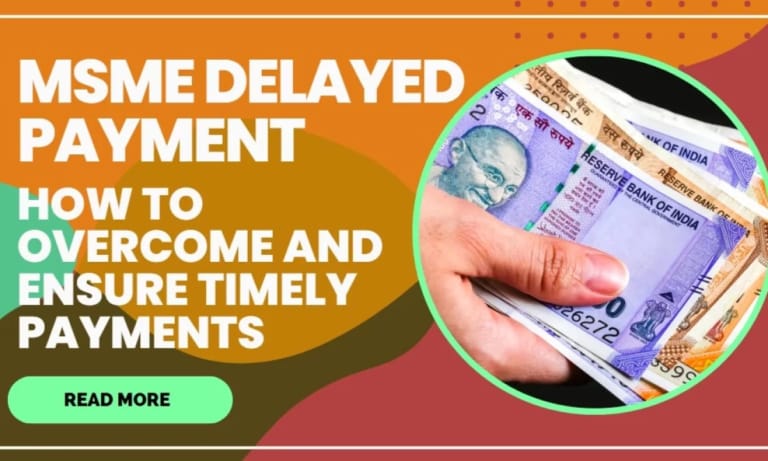
Payment delays for pharma MSMEs are a significant problem

Background Small and medium-sized businesses (SMEs) are the backbone of India’s economy, creating a large amount of jobs and spurring economic expansion. Delay in payments is one of the main issues MSMEs in India deal with, though. Delayed payments put SMEs at a disadvantage compared to large size counterparts, inhibiting their ability to compete effectively in the market, and addressing the issue requires a multi-faceted approach involving various stakeholders. The financial security and long-term viability of these firms are both impacted by the wide-ranging effects of this problem. Causes of late payments to pharmaceutical MSMEs Large enterprises’ ineffective cash flow management, such as slow receivables processing and protracted payment cycles, can negatively affect SMEs by delaying their critical payments. Compared to larger enterprises, pharmaceutical MSMEs typically operate in a weaker bargaining position. Buyers can take advantage of this power disparity by delaying payments without suffering severe consequences. Pharma MSMEs might not have the negotiation leverage or other options necessary to properly handle late payments. Due to administrative inefficiencies, bureaucracy, the ongoing push for improved margins, or a lack of awareness regarding the impact of delayed payments on pharma MSMEs, many purchasers, both private and public bodies, are compelled to employ delayed payment practices. Challenges posed by payments that are late for pharma MSMEs For pharma MSMEs, late payments present formidable obstacles. It interferes with SMEs’ cash flow, making it difficult for them to pay personnel, cover operational costs, and engage in growth projects. Some pharmaceutical MSMEs may even be forced to the verge of closure by this financial pressure. Pharma MSMEs may use pricey alternative financing alternatives as a last resort to close the gap left by delayed payments. This has a detrimental influence on their financial health further by increasing interest costs and debt loads. Delays in payments limit the industry’s capacity to expand operations, make investments in new technologies, or explore new markets due to limited working cash. This limits their ability to grow and stifles the creation of jobs. SMEs are also at a disadvantage when compared to their larger counterparts due to delayed payments, which limits their capacity for effective market competition. Taking care of the situation Payment delays to pharma micro, small, and medium-sized companies (MSMEs) call for a multifaceted strategy including numerous stakeholders. The solution to the issue of delayed payments is collaboration. It is important to encourage pharma MSMEs to join trade organizations so that they can have a stronger collective bargaining position and a unified voice when negotiating improved payment conditions with clients. These 6 tactics can be put into practice to improve the climate for MSMEs and address the problem of late payments to pharma MSMEs in India.

Understand the pivotal role that medical journals play for physicians: The ideal method of pharma-doctor engagement

Medical publications are often highly valued by doctors because they are essential to their professional practice and continuous education. The main source of new and up-to-date information on medical research, clinical trials, treatment recommendations, and developments in medical science is medical journals. Medical publications are valued by doctors for the following 10 reasons: Despite the high value of medical journals, it’s crucial to remember that not all publications are created equally. Doctors frequently place a higher priority on journals with strict peer-review procedures and recognized editorial boards since these elements help to ensure the accuracy and legitimacy of the information presented. In general, medical journals are an essential component of a doctor’s professional arsenal, assisting them in staying informed, making decisions based on the best available information, and giving their patients the best treatment possible.